Rising Tensions: US-Iran Conflict Intensifies with Strikes on Infrastructure
Overview of Recent Developments
In a series of escalating tensions, US President Donald Trump issued a warning towards Iran, threatening strikes on critical infrastructure such as bridges and power plants. This aggressive stance is part of Trump's efforts to compel Iranian leaders to agree to his terms to end the ongoing conflict.
Impact of the Strikes
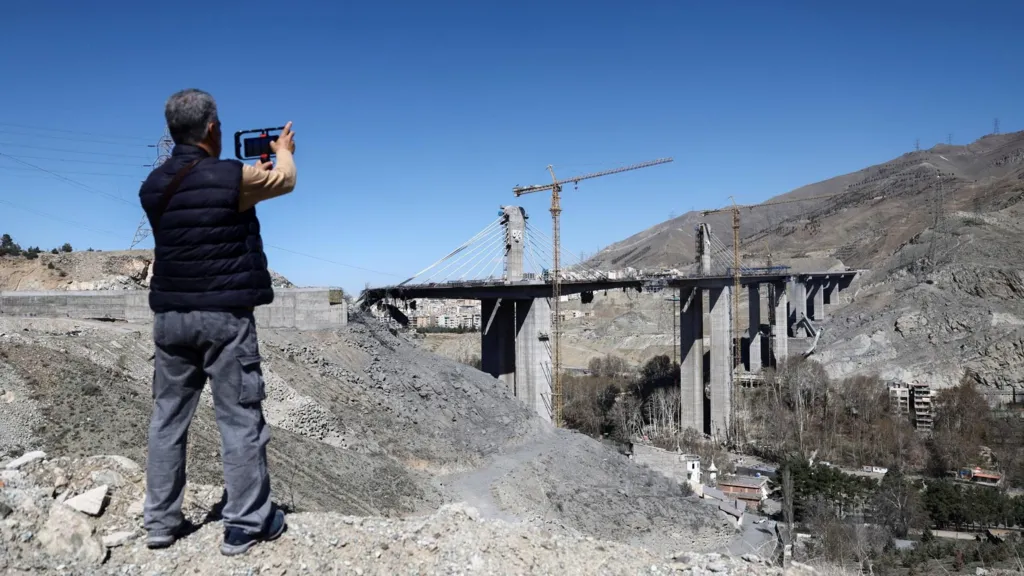
Recently, an attack on the B1 suspension bridge in Karaj has led to dire consequences, with eight people losing their lives and nearly 100 others suffering injuries. This bridge was targeted twice by US warplanes during the Nowruz holidays, causing significant damage and disrupting local infrastructure.
### Reactions from Political Leaders
President Trump defended these actions by highlighting the military prowess of the US. On his social media platform, Truth Social, he announced, "Our Military, the greatest and most powerful (by far!) anywhere in the World, hasn't even started destroying what's left in Iran." In contrast, Iranian Foreign Minister Abbas Araghchi strongly condemned these strikes, emphasizing that "Striking civilian structures, including unfinished bridges, will not compel Iranians to surrender." He further cautioned that such actions might inflict irreparable damage on America's global standing.
Grassroots and Social Reactions
The strikes have sparked intense discussions among Iranian citizens, both in Iran and abroad. A Tehran resident voiced concerns about the potential devastation: "We'll end up with a ruined country. I am more disappointed and saddened that I am in the middle of a situation where I see Iran being destroyed and I can't do anything." Similarly, another local expressed feelings of helplessness as they witnessed critical infrastructure being destroyed.
Despite the imposed 35-day internet blackout making it difficult to contact people inside Iran, some citizens have resorted to using satellite internet systems such as Starlink. However, possessing or using Starlink devices poses a significant risk, with penalties of up to two years in prison.
Strategic Concerns and International Perceptions
The attack on infrastructure extends beyond immediate physical damages, raising questions about broader strategic intentions. On social media, hardline, pro-establishment Iranians have condemned these actions, perceiving them as a concerted effort by the US and Israel to target Iran's national stability, not merely its military capabilities.
In conclusion, while some individuals, including a pro-war local resident, initially expressed surprise at the bridge strike, others speculate that strategic motives underlie such decisions. A woman in her 40s from Tehran, who supports the US-Israeli campaign, remarked, "I was really surprised that they hit a bridge… but I think they must have a reason for it."
Looking Forward
As tensions continue to escalate, the international community watches closely, aware that further developments could profoundly impact regional dynamics and global diplomatic relations. Understanding the full scope of these actions is crucial for comprehending the ongoing complexities in US-Iran relations.