Concerns Rise Over US-Israeli Military Actions in the Middle East
Experts Warn Against Violations of International Law
In a notable show of unity, over 100 experts on international law have voiced their concerns about the recent military actions in the Middle East. An open letter, published in the online journal *Just Security* at NYU School of Law, lists numerous potential violations of international standards amid the ongoing US-Israeli campaign against Iran.
Breach of the UN Charter?
The experts have labeled the decision to attack Iran as a considerable breach of the UN Charter. This vital document prohibits the use of force unless in self-defense or authorized by the UN Security Council. The letter underscores that current military operations lack such justification and thus contravene established international protocols.
Alarming Rhetoric Escalates Tensions
Amid military maneuvers, there has been 'alarming rhetoric' from official figures, notably former President Trump's threats to 'obliterate' Iranian infrastructure. Experts are also troubled by the statement from Defense Secretary Pete Hegseth advocating that 'no quarter' should be given to enemies—a stance that contradicts international law. The denial of quarter, or a refusal to spare those surrendering, directly violates rules outlined in the Department of Defense's law of war manual.
Civilian Harm and Rule of Law at Risk
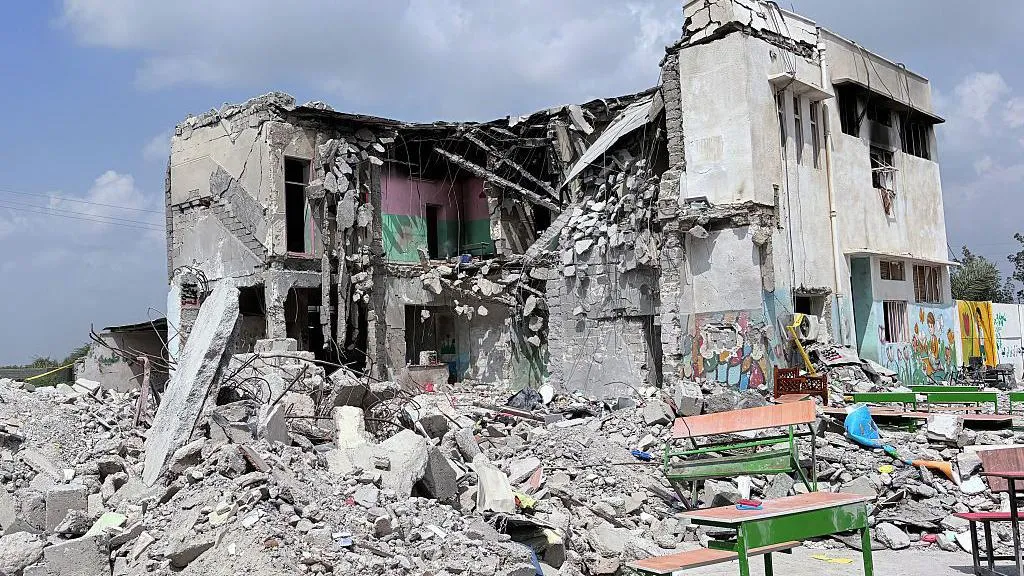
Serious harm to civilians and potential degradation of the rule of law are at the forefront of these concerns. The first day of the conflict saw a devastating attack on a primary school in Minab, Iran, reportedly killing at least 168 individuals, including 110 children. The US Department of Defense is actively investigating this incident, with evidence suggesting a probable US strike. If recklessness is proven, the attack could constitute a war crime under international humanitarian law.

The White House Defends its Actions
In response to these allegations, the White House maintains that former President Trump and his administration aimed at enhancing regional security by neutralizing threats posed by Iran. Claims of Iran's intent to maim and their designation as a primary state sponsor of terror were restated.
However, this perspective has not quelled the widespread alarm from legal experts. Tom Fletcher, the UN's humanitarian chief, poignantly remarked, "Somewhere along the way international law had been thrown aside."
As the investigation into these actions unfolds, the dialogue between military actions and international law remains intensely scrutinized. The global community watches closely, as consequences of these confrontations extend beyond immediate borders, potentially reshaping frameworks for international military conduct.