Navigating Conflict: The Resumption of Shipping Through the Strait of Hormuz
The Resumption of Shipping Activity
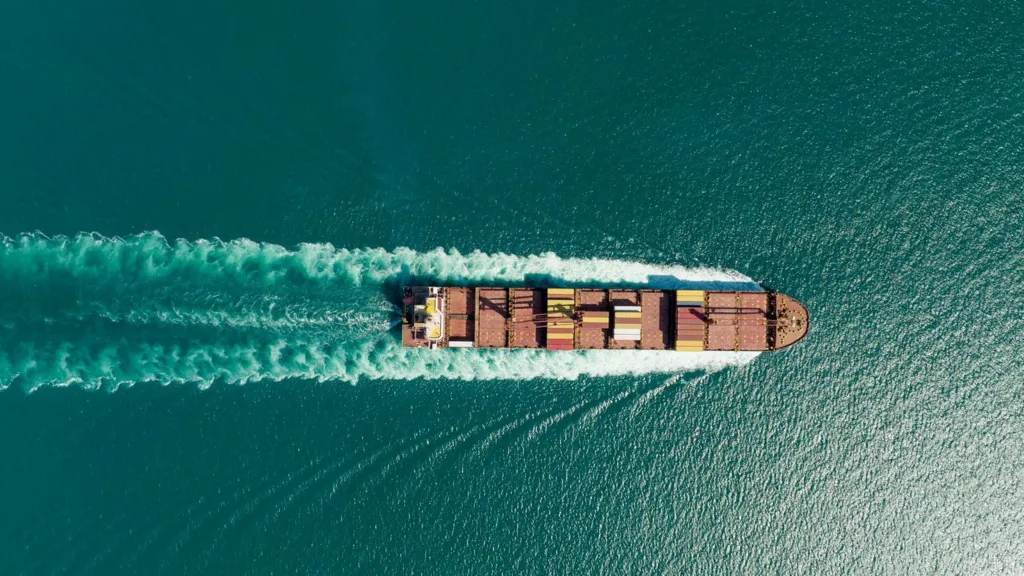
In a significant development, a French-owned, Malta-flagged container ship recently traversed the Strait of Hormuz, marking the first passage by a ship owned by a major Western European firm since the onset of the US-Israeli conflict with Iran. This event signals a tentative return to shipping activities in one of the most critical maritime corridors.
Background and Recent Developments
The Strait of Hormuz is a pivotal channel through which about a fifth of the world's oil and liquid natural gas is transported. However, the escalation of conflict in late February had initially led to the suspension of shipping, leaving approximately 200 vessels stranded. With traffic down by about 95% compared to pre-conflict levels, the slowdown has significantly impacted global oil prices and incited fears of heightened inflation.
Iran had stated that "non-hostile vessels" could use the strait, which has prompted a limited resurgence of activity. To date, about 100 vessels have navigated through the strait, with traffic comprising mostly of ships linked to Iran, Pakistan, and India.
Safety and Security Concerns
The resumption of passage is not without risks. Numerous attacks on ships have occurred throughout the conflict, creating an atmosphere of tension and uncertainty. Despite these challenges, a Japanese ship carrying natural gas also completed its journey through the strait unscathed. MOL, the ship's operator, confirmed, "The safety of the vessel and all crew members have been confirmed."
Economic Implications
The situation in the Strait of Hormuz holds profound implications for global economics. The passage constriction has contributed to a noticeable rise in global oil prices, stoking concerns over rapid inflation. The resumed but limited flow of vessels implies a gradual easing of these economic pressures, albeit cautiously watched by international stakeholders.
As the maritime tension continues to shape global markets, the passage of more ships through the Strait of Hormuz remains a subject of keen interest, as it unfolds against the backdrop of geopolitical conflict and economic uncertainty.