US-Iran Tensions Escalate as Trump Threatens Strikes on Civil Infrastructure
Heightened Tensions Emerge Between the US and Iran
The recent military and diplomatic actions between the United States and Iran have reached new heights of tension following statements made by US President Donald Trump. In a bold warning, Trump declared intentions to target Iran's civil infrastructure, specifically mentioning bridges and power plants, should Iranian leaders fail to acquiesce to his terms for ending the ongoing conflict.
The Karaj Bridge Bombing
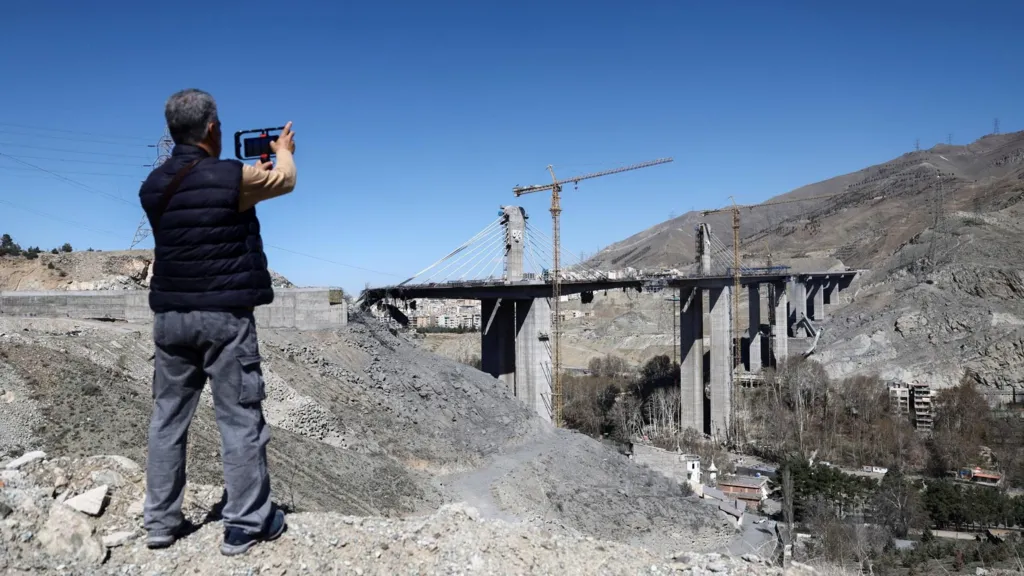
A recent example of military aggression occurred in Karaj, Iran, where the under-construction B1 suspension bridge was bombed twice during the Nowruz holidays, resulting in eight fatalities and nearly 100 injuries. The site was struck by US warplanes, igniting criticism and concern among various sectors of the Iranian populace.
Iranian Foreign Minister Abbas Araghchi publicly denounced these actions, remarking, "Striking civilian structures, including unfinished bridges, will not compel Iranians to surrender." Araghchi further warned of irreparable damage to America's international standing following the attack.
Diverse Reactions from Iranians
The reactions within Iran have been mixed but predominantly condemnatory, even among pro-establishment sectors. Social media platforms show a wave of hardline criticism, highlighting suspicions that the US and Israel may harbor destructive intentions beyond Iran's military capacities.
Amidst the chaos, communication with individuals inside Iran is severely hindered due to a 35-day internet blackout enforced by Iranian authorities. While some manage connectivity through satellite systems like Starlink, they face the risk of imprisonment.
Voices from Tehran
Voices from the ground reveal the deep emotional impact on the Iranian people. A young woman in Tehran expressed her distress over Trump's aggressive posture, stating, "I feel helpless. He posts shamelessly about attacking our bridge... I don't know how much further this is going to go."
Others shared similar sentiments; a resident voiced, "We'll end up with a ruined country. I am more disappointed and saddened that I am in the middle of a situation where I see Iran being destroyed and I can't do anything." Meanwhile, some support the joint US-Israeli campaign, albeit with lingering doubts and surprise over the choice of targets. "I was really surprised that they hit a bridge… but I think they must have a reason for it," said a local resident who sides with the military efforts.
Strategic Implications
As this situation unfolds, the strategic implications are profound. The attack on the Karaj bridge has already disrupted infrastructural expectations, with local hopes for reduced urban traffic dashed. Affected residents are left to ponder the motivations behind targeting civilian structures, even as the broader geopolitical narrative continues to unfold.
In conclusion, the actions and rhetoric around US-Iran relations underscore a critical juncture, demanding cautious diplomatic negotiations and a reevaluation of military strategies to prevent further escalation.