A Pivotal Journey: Western Shipping Resumes Amidst Middle Eastern Tensions
Resumption of Maritime Activity in the Strait of Hormuz
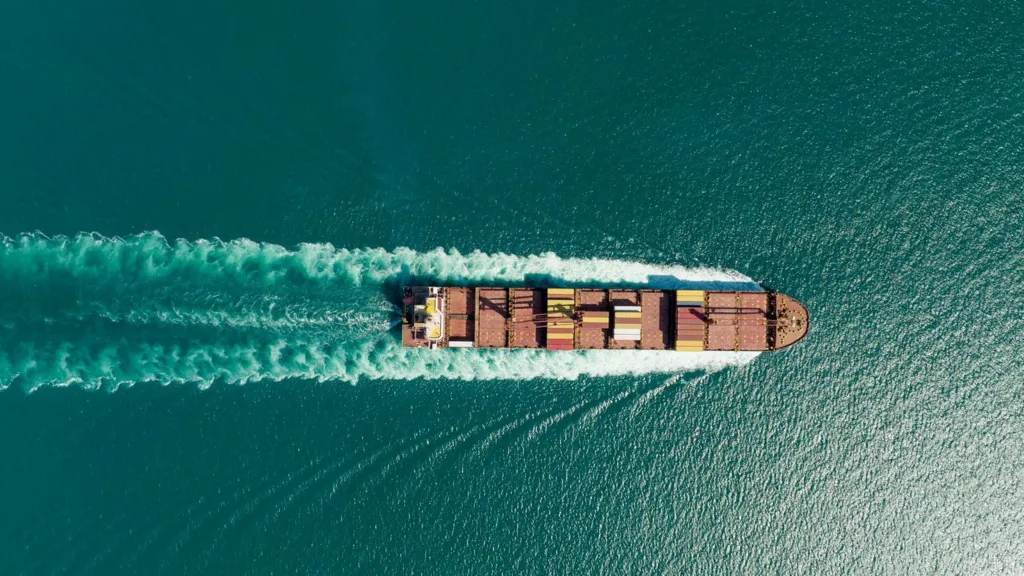
In an unprecedented development amidst ongoing conflict in the Middle East, a French-owned, Malta-flagged container ship has successfully navigated through the Strait of Hormuz. This marks the first time a vessel owned by a major Western European firm has passed through this critical waterway since the beginning of the US-Israeli conflict with Iran.
Historical and Economic Significance
The Strait of Hormuz is not just a strategic geographical landmark but also a linchpin in global energy distribution. Approximately a fifth of the world's oil and liquid natural gas traverse this narrow channel, emphasizing its indispensability in international trade.
When hostilities commenced in late February, the precarious security conditions prompted a suspension in shipping activities, resulting in approximately 200 vessels stranded in the surrounding waters. This sudden halt in maritime movement induced a dramatic 95% decrease in traffic compared to pre-conflict periods, exacerbating global supply chain disruptions.
Navigating the Waters: Current Conditions
In recent developments, Iran has declared that 'non-hostile vessels' may utilize the strait, presenting a cautiously optimistic view for future maritime endeavors. Despite these assurances, the reality of recent attacks on several ships during the ongoing conflict has imbued operators with caution, leading to halted normal transport activities.
Signs of Normalization
Interestingly, alongside the French vessel, a Japanese ship carrying natural gas also managed to navigate out of the Strait of Hormuz. Assuaging concerns, MOL stated, "The safety of the vessel and all crew members have been confirmed."
Since the inception of the conflict, around 100 vessels have managed to proceed through the strait, averaging five to six ships per day. Notably, nearly a third of these vessels are linked to Iran, while the rest are associated with nations such as Pakistan and India.
Economic Impacts
The blockade and subsequent slowdown in traffic have unleashed significant economic ramifications. The bottleneck in one of the world's principal oil corridors has instigated a spike in global oil prices. Economists raise concerns over the potential ripple effects, notably the specter of higher inflation on a global scale.
Conclusion
The passage of the French-owned container ship through the Strait of Hormuz marks a tentative, yet symbolic, stride toward normalcy. However, continued vigilance and diplomatic efforts remain paramount in navigating the tumultuous waters of Middle Eastern geopolitics. As global commerce endeavors to adapt to these uncertainties, the enduring significance of this route as a nexus of trade and diplomacy cannot be overstated.